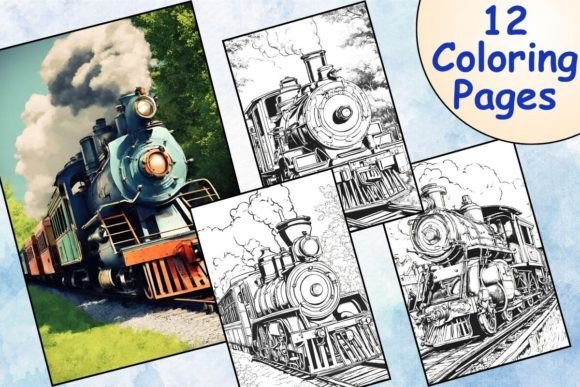
Vintage Train Coloring Pages: A Creative and Educational Tool for Modern Classrooms
In an era where digital entertainment often takes precedence over hands-on learning, Vintage Train Coloring Pages offer a unique blend of creativity, education, and nostalgia. These meticulously designed coloring pages are more than just a pastime; they serve as a gateway to history, engineering, and artistic expression. Whether used in elementary classrooms, homeschooling environments, or simply as a personal creative endeavor, vintage train coloring pages provide a tangible connection to the past while fostering skills that are essential in today’s world.
The Rise of Vintage Train Coloring Pages
The resurgence of interest in vintage train coloring pages reflects a broader cultural trend toward embracing analog experiences in a digital age. As educators and parents seek ways to engage children with meaningful, tactile activities, these coloring pages have found a place in both academic and recreational settings. The appeal lies not only in their aesthetic value but also in their ability to educate and inspire.
Historically, trains played a pivotal role in shaping societies, connecting people, and facilitating trade. By exploring vintage train designs through coloring, students can gain insight into this transformative period. Each illustration captures the essence of different eras, from the ornate steam engines of the 19th century to the streamlined locomotives of the early 20th century. This visual storytelling makes learning about history more engaging and accessible.
Educational Value and Curriculum Integration
Vintage train coloring pages are an excellent resource for integrating social studies into the classroom. They allow teachers to introduce topics such as the Industrial Revolution, transportation advancements, and the impact of railroads on economic development. By using these pages as a visual aid, educators can create interactive lessons that encourage discussion and critical thinking.
For instance, a lesson on the Industrial Revolution could begin with a coloring activity featuring a vintage locomotive. Students can then discuss the technological innovations that made such machines possible, the societal changes they brought about, and how they influenced modern transportation systems. This approach not only reinforces historical knowledge but also helps students develop analytical skills.
Moreover, these coloring pages can be used to teach geography. Teachers can incorporate maps of historical trade routes and show how trains connected different regions. Students can color a train that represents a specific route, then research the cities it passed through and the goods it transported. This kind of interdisciplinary learning promotes a deeper understanding of history and its relevance to the present day.
Creative Expression and Artistic Development
Beyond their educational benefits, vintage train coloring pages provide a platform for creative expression. Coloring is a form of art that allows individuals to explore color theory, pattern design, and spatial awareness. For young learners, it enhances fine motor skills and hand-eye coordination, which are crucial for writing and other developmental milestones.
Each vintage train design offers opportunities for personalization. Students can choose different color schemes, add decorative elements, or even invent their own details based on historical research. This level of customization encourages individuality and fosters a sense of ownership over the creative process. It also teaches patience and attention to detail—skills that are valuable in many areas of life.
For educators and parents, the versatility of these coloring pages is a major advantage. They can be used as standalone activities or combined with other resources, such as books, documentaries, or museum visits, to create a comprehensive learning experience. The ability to print and reuse the pages makes them a cost-effective tool for both classroom and home use.
Market Trends and Consumer Preferences
The growing popularity of vintage train coloring pages aligns with several current market trends. There is a rising demand for educational tools that combine learning with fun, especially among parents who are looking for ways to supplement their children’s school curriculum. At the same time, there is a renewed appreciation for vintage aesthetics and retro themes, which has led to an increase in products that celebrate bygone eras.
This trend is not limited to the education sector. Entrepreneurs and creators are finding new ways to incorporate vintage train designs into various industries, from fashion and interior design to digital media and gaming. The nostalgic appeal of these images resonates with consumers across different age groups, making them a versatile asset in marketing and branding strategies.
Furthermore, the rise of remote learning and homeschooling has created a need for high-quality, printable educational materials. Vintage train coloring pages meet this demand by offering a convenient, engaging, and customizable resource that can be accessed from anywhere. Their ease of use and adaptability make them ideal for both structured lessons and free-form exploration.
Practical Applications and Observations
One practical application of vintage train coloring pages is in special education settings. These pages can be modified to accommodate different learning needs, such as simplifying the designs for students with motor skill challenges or adding text prompts for those who benefit from guided instruction. The flexibility of the medium allows educators to tailor the experience to each student’s abilities and interests.
In addition to their use in formal education, vintage train coloring pages have become popular in therapeutic settings. Coloring has been shown to reduce stress and improve focus, making it a valuable tool for mindfulness and relaxation. Many adults find that coloring vintage trains provides a sense of calm and a connection to history, blending mental well-being with intellectual curiosity.
From a business perspective, the demand for vintage train coloring pages presents opportunities for entrepreneurs and content creators. Publishers can develop themed collections that cater to different age groups and interests, while online platforms can offer interactive coloring experiences that incorporate augmented reality or animation. These innovations reflect the evolving expectations of consumers who seek both quality and convenience in their educational and creative pursuits.
Conclusion: A Timeless Resource for Learning and Creativity
Vintage Train Coloring Pages represent more than just a nostalgic hobby—they are a powerful tool for education, creativity, and cultural appreciation. In an increasingly fast-paced world, they offer a moment to pause, reflect, and connect with the past. Whether used in a classroom, at home, or as part of a creative project, these pages have the potential to inspire a lifelong love of learning and art.
As educators, creators, and consumers continue to seek meaningful ways to engage with history and foster creativity, vintage train coloring pages will remain a relevant and valuable resource. Their ability to bridge the gap between the past and the present makes them an enduring favorite in both educational and recreational contexts. So why not embark on your own journey through time with these captivating vintage train coloring pages?